
Energy Efficient Windows
In today’s economy, homeowners are always looking for ways to cut costs. One of the easiest ways to achieve this is by changing out your windows to energy efficient windows. These windows will keep the heated or cooled air inside your home without putting extra strain on your HVAC system.
There are many ways to make a window energy efficient. The use of Low-E glass, a thin microscopic coating that is transparent and reflects heat, is a great way to significantly cut energy costs. Arch City Window can provide you with the most accurate information that will help you decide what is the best window for your home.
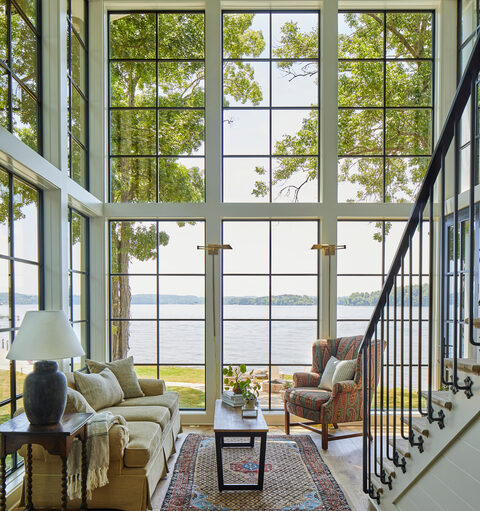
Glass Impact on Energy
Choosing windows that are double or triple-paned glass, have a low emissivity coating, are filled with krypton or argon gas between the panes and have high-quality window frames will have the greatest impact on the efficiency of your windows. Energy efficient windows will help reduce energy costs and the strain on your HVAC system.
The Significance of Air Infiltration
In one form or another, every home has some form of air infiltration. Cold and warm air escapes and enters our homes through cracks and other openings in our doors and windows. The average home can spend up to 30% more on their energy bills due to air infiltration.
Installing air tight windows with a high energy efficiency rating will help significantly reduce the amount of air that can seep into your home. Although all windows can have air infiltration, casement windows are a better option to reduce the amount of air coming into your home. Because of their tight seal, air is unable to penetrate and seep through the window.
Conduction in Glass Windows
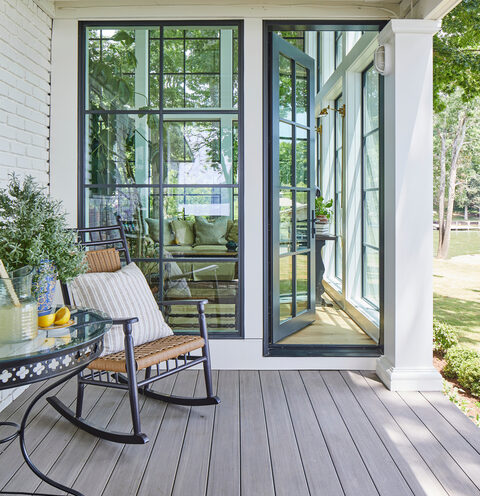
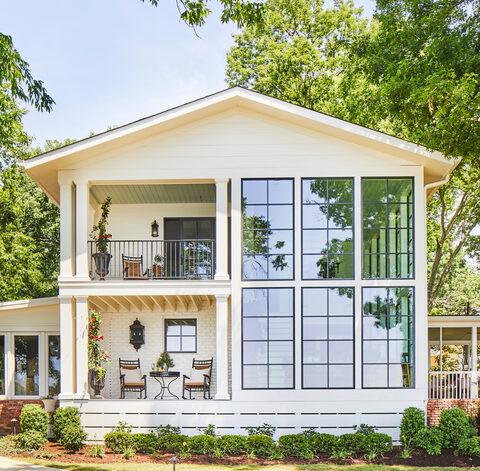
The conduction of glass windows is when heat moves through the glass to the cooler side of the windows by the process of radiation and conduction. Glass windows are typically constructed with either double or triple pane windows with a low pressure, inert gas in between the panes. This still, dry air reduces the amount of heat that is transferred and limits the amount of heat loss.
Glass is a very good insulator at room temperature, but becomes a conductor when heated to a very high temperature. It is at this point that a window is no longer energy efficient. More heat can be lost through windows than through the walls of your home. Installing energy efficient windows that are double glazed with a low emissivity coating and have a inert gas in between the panes will significantly reduce the amount of heat that will be lost.
Shop Premium Energy Star Products
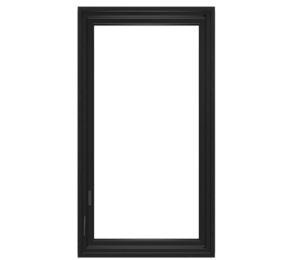
Pella® Reserve™ – Contemporary Wood Push-Out Casement Window
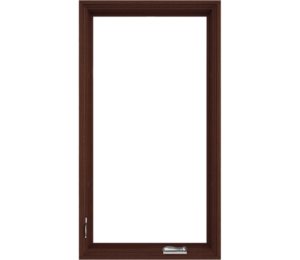
Pella® Reserve™ – Traditional Wood Casement Window
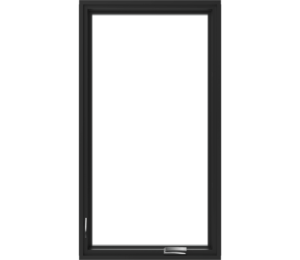
Pella® Reserve™ – Contemporary Wood Casement Window
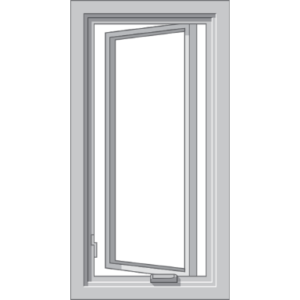
Pella® Hurricane Shield Series™ Vinyl Casement Window
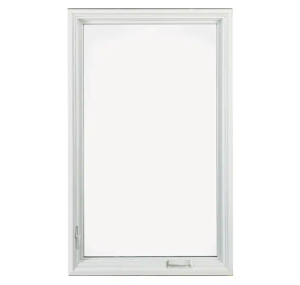
Pella® Lifestyle Series® Wood Casement Window
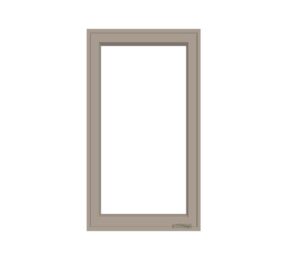
Pella® 250 Series Vinyl Casement Window
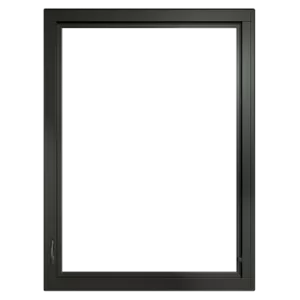
Pella® Impervia® Fiberglass Casement Window
Pella® Impervia Series Wood Casement Window
Your #1 Energy Efficient Windows & Doors
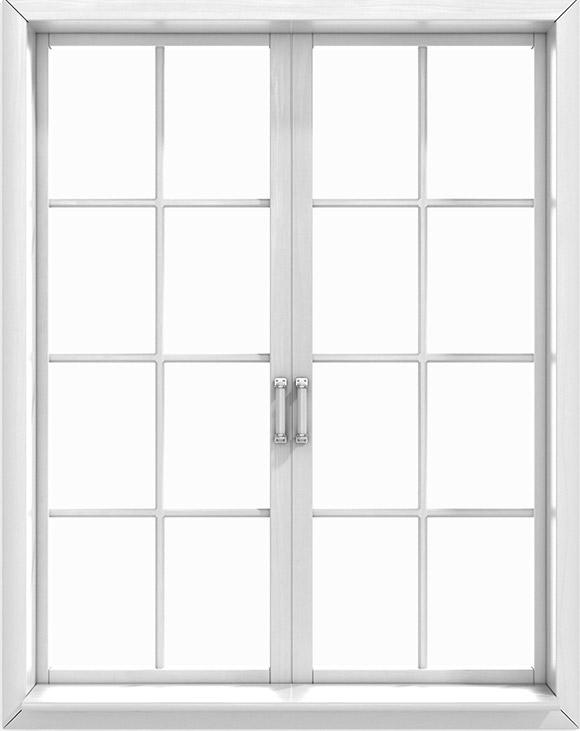
Enhance your home’s aesthetics and comfort with our energy-efficient windows and patio doors today!
Triple-Pane Glass
These windows have 3 panes of glass that are surrounded by an inert gas and uniformly spaced to create a solid energy efficient window.
Insulated Glass
A window that commonly consists of two panes of glass that is separated by a spacer and sealed together at the edge. They are designed to keep home warmer in winter and cooler in summer.
Types of Low-E Glass
There are two types of Low-E glass, hard coat and soft coat. Hard coat is applied as it comes out of the furnace and fused onto the glass as it cools. Soft coat is applied after the glass has cooled and must be enclosed within a double-glazed unit.
Proper Installation
A properly installed window should open and close with ease. If your window is sticking or does not open smoothly, then the chances are the window was not installed correctly.
Glass Types & Coating Options
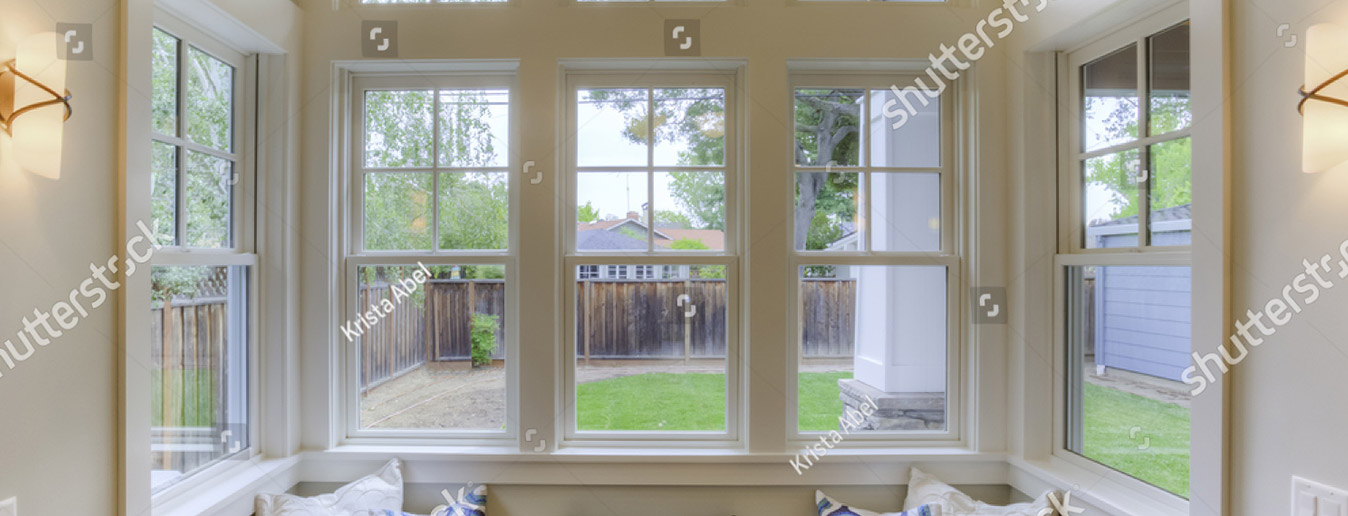
There are many types of glass that can be used to manufacture windows for your home or business. In its most basic form, glass window panes are made from float glass, which is fragile and can break easily. This is just simply molten glass that is poured to the shape and size needed. From this point, float glass is used to make all other types of glass for windows.
Laminated glass is made from two panes of float glass with a thin layer of PVB resin pressed between the glass panes. Laminated glass is strong and prevents shattering.
Obscured glass is an etched or beveled glass that makes it impossible to see through. This type of window is great for bathrooms. It will let in light, but prevents anyone from seeing into your home.
Tempered glass is float glass that has gone through another process called tempering. This window is too hard to cut, but can break into smaller pieces if struck too hard.
Insulated glass is a coated glass that is used in double and triple-pane windows. Separated by a space bar and filled with argon or krypton gasses to create an insulation between the glass panes.
Annealed glass is ordinary glass, see “Float glass” (also called “flat” glass) that has not been heat-strengthened or tempered. Annealing float glass is the process of controlled cooling to prevent residual stress in the glass and is an inherent operation of the float glass manufacturing process. During the float glass manufacturing process, the hot glass is gently cooled in the annealing lehr, which releases any internal stresses from the glass to enable the cutting and further processing of the glass post manufacture. Annealed glass can be cut, machined, drilled, edged and polished. Annealed glass when broken gives large fragments with sharp edges and so is not usually classifiable as a “safety” glass.
Low-E glass is a specially designed coating that will block UV rays and reduce the amount of heat that enters and escapes from your home. The Low-E glass will help to make your home more energy efficient.
When purchasing windows, you may want to add a coating to your windows. In addition to insulated and Low-E coatings, there are coatings for glare reduction, UV blocking, privacy or decorative coatings, such as tints, and safety coatings. These are extra features that can be discussed with an Arch City window representative to determine the best window for your home.
Optimized Designs
In order to achieve the maximum energy efficiency in a window design, your best bet is a hinged-sash window, like a casement or awning window. The construction of this type of window creates a weather-tight seal when closed. Taking into account where the window will be located in the home, how it will be used and if it will be receiving direct sunlight are factors to consider when deciding what type of windows to purchase.
ENERGY STAR Certification
Energy Star is a voluntary program that began in 1992 by the Environment Protection Agency to aid in decreasing greenhouse gasses by clearly labeling the most energy-efficient products. It was a way for consumers and businesses to make informed decisions when making purchases of appliances, lighting products, home electronics and even windows and doors. If a product has the yellow Energy Star sticker on it, it means it provides significant energy savings, uses non-proprietary technology, its energy consumption is verifiable through testing, and if the item is more expensive than its less efficient competition, the consumer must be able to recover the difference in a reasonable amount of time. Quite simply, it’s a way for people to not only save money but to also protect our climate by using superior energy-efficient products.
Need help with selecting the right products?
Don’t worry! We have Pella experts ready to guide you. Schedule a free consultation session to get started.